Can Pressure Washing Damage Sandstone? What to Know
Sandstone is one of the most distinctive architectural materials across Sydney's Eastern Suburbs, particularly in Bondi where heritage facades, retaining walls, and outdoor entertaining areas prominently feature local Sydney yellow block. While sandstone offers enduring natural beauty, property owners frequently ask whether high-pressure washing can damage the surface. The short answer is yes: inappropriate pressure washing is one of the leading causes of irreversible stone degradation in coastal environments.
Why Sandstone Is Vulnerable to High Pressure
Sandstone is a sedimentary rock composed of mineral particles—primarily quartz and feldspar—held together by a natural mineral matrix or cement. Because it is naturally soft and porous, the intense hydrodynamic force generated by conventional commercial pressure washers (often exceeding 3,000 PSI) quickly overwhelms the stone's structural integrity.
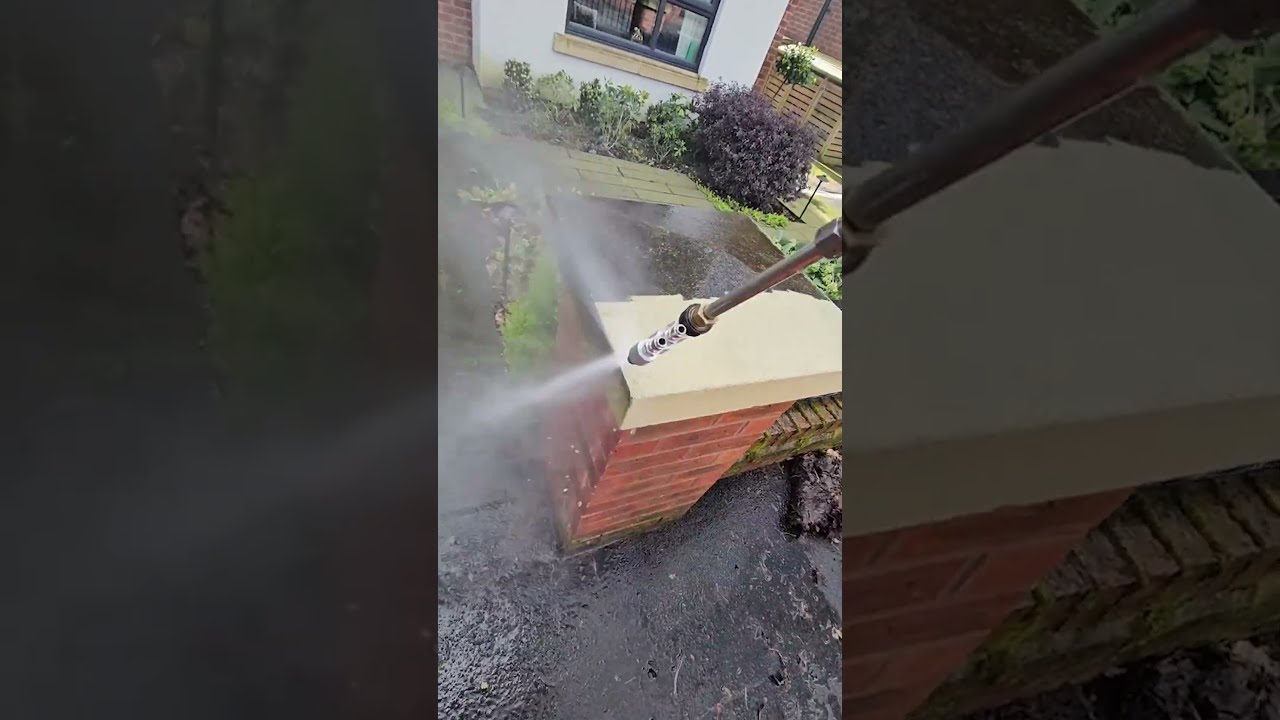
In Bondi's coastal climate, the risk is magnified. Marine air deposits airborne sea salts directly onto outdoor surfaces. When high pressure https://pressurecleaningbondi.com.au/driveway-cleaning/ drives water deep into the porous stone, it forces these salts further inward. As the moisture evaporates, the trapped salts recrystallize and expand—a process known as subflorescence—which weakens the stone from the inside out.
Common Forms of Pressure Damage
Subjecting sandstone to excessive water pressure leads to immediate physical damage as well as long-term deterioration:
- Surface Etching and Wand Lines: High pressure strips the hardened outer patina of the stone, leaving visible gouges, lines, and uneven aggregate exposure.
- Accelerated Spalling: Forcing water into microscopic micro-fissures causes layers of the stone to flake, chip, or crumble away.
- Mortar and Joint Blowout: High-velocity water jets quickly dislodge the lime- or cement-based mortar between sandstone blocks and pavers.
- Increased Porosity: Stripping the stone's natural surface layer opens deeper pores, making the surface far more prone to rapid biological regrowth like black mould and lichen.
The Professional Alternative: Low-Pressure Soft Washing
Modern exterior cleaning practices in 2026 prioritise surface preservation through soft washing rather than sheer mechanical force. Instead of relying on damaging pressure, this method combines low-pressure water application (generally under 500 PSI) with specialised, biodegradable cleaning agents.
These eco-friendly chemical solutions target the root structures of organic contaminants such as algae, moss, and atmospheric grime. Once the treatment breaks down the organic matter, the residue is gently rinsed away without disturbing the stone's natural bedding planes or dislodging heritage mortar. Additionally, current environmental guidelines enforce strict wastewater containment to prevent chemical and sediment runoff into Bondi's stormwater systems and marine habitats.
Best Practices for Protecting Sandstone in Bondi
To keep sandstone clean and structurally sound, property owners should follow a conservation-first maintenance approach:
- Avoid DIY High-PSI Equipment: Never use domestic high-pressure turbo nozzles directly on bare sandstone paving or vertical walling.
- Apply Preventative Treatments: Use pH-neutral biocidal wash treatments that eliminate fungal spores without chemically burning the stone matrix.
- Ensure Proper Drainage: Minimize prolonged dampness by keeping surface drains clear and trimming back dense coastal foliage that traps humidity.
- Seal with Breathable Penetrating Sealers: Apply high-grade, breathable silane or siloxane sealers that repel liquid water and coastal salts while allowing internal vapour to escape.
Treating sandstone with the correct low-pressure techniques ensures that outdoor pavers, pool surrounds, and architectural elements retain their natural character and structural integrity for decades to come.
Bondi Pressure Cleaning
(02) 8550 5711